%2Ffit-in%2F250x250%2Fguide_websites%2F59248%2Fimages%2F1767672522445299606922_365123119158371_8064046919340098320_n.png&w=1920&q=100)
/users/e6f8ee5f-6759-41fe-b737-5dfdc4b00d6a/ratecard/ce57e37131ec54d25d216d27a6690604-mk21p0fn.jpg)
%2F300x300%2Fusers%2Fe6f8ee5f-6759-41fe-b737-5dfdc4b00d6a%2Fratecard%2Fce57e37131ec54d25d216d27a6690604-mk21p0fn.jpg&w=256&q=75)
%2F300x300%2Fusers%2Fe6f8ee5f-6759-41fe-b737-5dfdc4b00d6a%2Fimages%2Ffishing-adventure-longport-flounder-2672.jpg&w=256&q=75)
%2F300x300%2Fusers%2Fe6f8ee5f-6759-41fe-b737-5dfdc4b00d6a%2Fimages%2Ffishing-adventure-new-jersey-2364.jpg&w=256&q=75)
%2F300x300%2Fusers%2Fe6f8ee5f-6759-41fe-b737-5dfdc4b00d6a%2Fimages%2Ffishing-adventure-new-jersey-2420.jpeg&w=256&q=75)
%2F300x300%2Fusers%2Fe6f8ee5f-6759-41fe-b737-5dfdc4b00d6a%2Fimages%2Ffishing-tours-longport-2477.jpg&w=256&q=75)
%2F300x300%2Fusers%2Fe6f8ee5f-6759-41fe-b737-5dfdc4b00d6a%2Fimages%2Fgreat-fishing-tour-longport-2406.jpeg&w=256&q=75)
%2F300x300%2Fusers%2Fe6f8ee5f-6759-41fe-b737-5dfdc4b00d6a%2Fimages%2Flongport-fishing-tours-best-catches-2413.jpeg&w=256&q=75)
%2F300x300%2Fusers%2Fe6f8ee5f-6759-41fe-b737-5dfdc4b00d6a%2Fimages%2Fgreat-fishing-tours-new-jersey-2351.jpeg&w=256&q=75)
%2F300x300%2Fusers%2Fe6f8ee5f-6759-41fe-b737-5dfdc4b00d6a%2Fimages%2Fgreat-fishing-longport-2348.jpeg&w=256&q=75)
%2F300x300%2Fusers%2Fe6f8ee5f-6759-41fe-b737-5dfdc4b00d6a%2Fimages%2Fsummer-flounder-fishing-longport-2594.jpg&w=256&q=75)
%2F300x300%2Fusers%2Fe6f8ee5f-6759-41fe-b737-5dfdc4b00d6a%2Fimages%2Ffishing-fun-longport-2462.jpeg&w=256&q=75)
5 Hour Reef Fishing Charter Somers Point NJ
 Somers Point, NJ
What you will be catching:
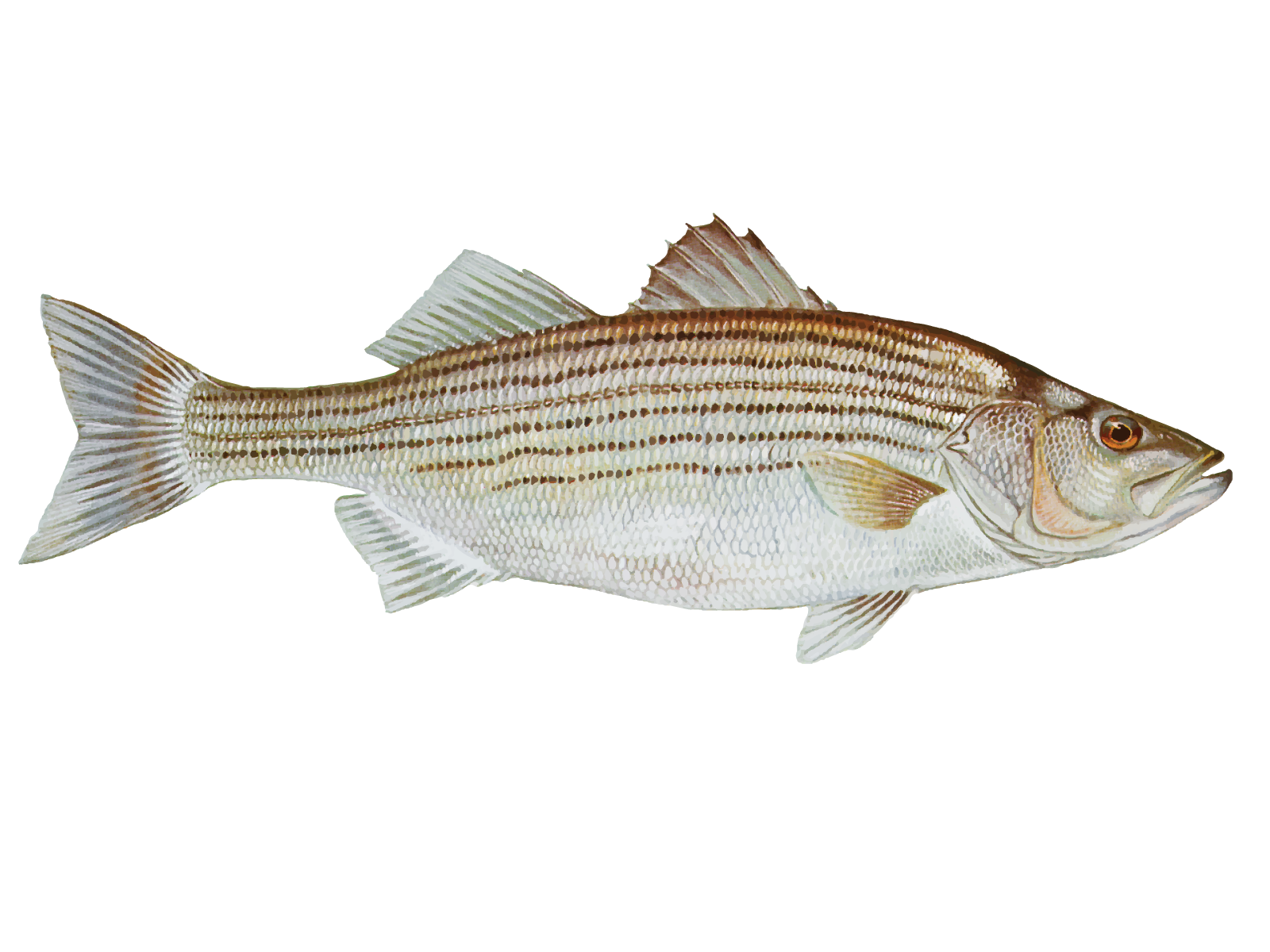 Striped Bass
 Summer Flounder
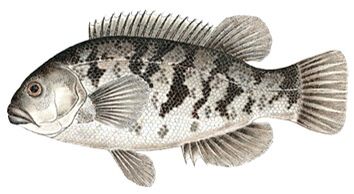 Tautog
- 5-hour private reef fishing charter for up to 4 anglers
- Light tackle jigging and spinning techniques targeting active reef species
- Flexible itinerary allows extended time at productive fishing locations
Trip Pricing and Availabilities:
5 Hour Somers Point Reef Fishing Charter
When you're looking for a solid day of reef fishing without the crowds, Captain Dave's 5-hour charter from Somers Point hits the sweet spot. This isn't your typical rushed half-day trip where you're barely getting warmed up before heading back to the dock. With five full hours on the water, you've got the time to really dial in on productive structure and let the fish come to you. The boat handles up to 4 anglers, so whether you're bringing the family or a small group of friends, everyone gets plenty of elbow room and personalized attention from the captain.
What to Expect on the Water
Captain Dave knows these Somers Point reefs like the back of his hand, and he's not afraid to move around until he finds where the fish are holding. The beauty of having five hours is that you're not locked into one spot if it's not producing. You'll start the day checking his go-to structures, but if the bite's slow, there's plenty of time to explore different depths and reef systems until you find active fish. The pace is relaxed but productive – no rushing to get lines in the water or feeling pressured to pack up just when things are getting good. This setup works great for families with kids who need time to get comfortable with the gear, or experienced anglers who want to really work an area thoroughly when they're marking fish.
Light Tackle Bottom Techniques
You'll be fishing primarily with light tackle bottom rigs, which means you can actually feel what's happening down there on the reef. Captain Dave switches between traditional bottom fishing, jigging, and spinning tactics depending on what the fish are telling him each day. When tautog are being finicky around the structure, he'll have you working jigs right in tight to the rocks. If the fluke are scattered across sandy patches between reefs, you might be drifting with spinner rigs and bucktails. The light tackle approach means even smaller fish put up a good fight, and when you hook into something solid, you'll know it immediately. Don't worry about bringing your own gear – everything's provided and rigged fresh for each trip.
Top Catches This Season
The Tautog around Somers Point are the real stars of the show, especially during their fall and spring feeding periods. These chunky bottom dwellers love hanging tight to rocky structure, and they're notorious for their quick, subtle bites that'll test your reflexes. Most fish run between 2-4 pounds, but the reefs here regularly produce keeper tog in the 5-7 pound range that'll make your drag sing. What makes tautog so exciting is their fight – they use every rock and crevice to try to break you off, turning even a modest fish into a real battle.
Summer Flounder are the area's most popular target during the warmer months, and for good reason. These flatfish are pure eating quality, and they're found throughout the depth range from 15 to 40 feet around the local reefs. The best fluke fishing typically runs from late spring through early fall, with fish ranging from keeper size around 19 inches up to doormat specimens over 5 pounds. Fluke are ambush predators that bury in the sand near structure edges, so when you're drifting the reef transitions, that thump on your line could be anything from a nice dinner fish to a genuine trophy.
Striped Bass add the wild card element to these reef trips, showing up when you least expect them but often providing the highlight of the day. The resident population around Somers Point includes everything from schoolie bass in the 20-inch range up to solid keeper fish pushing 10-15 pounds. Stripers are most active during dawn and dusk periods, but they'll feed throughout the day when baitfish are thick around the reefs. When a bass hits your bottom rig, there's no mistaking it – they hit hard and immediately head for open water, making spectacular runs that'll have everyone on the boat cheering.
Time to Book Your Spot
This 5-hour format really gives you the best value for your time and money. You're not paying for a full day when you might only want to fish until early afternoon, but you're also not stuck with a short trip that ends right when the bite turns on. Captain Dave's approach of moving between productive areas and adapting techniques to daily conditions means you're always fishing smart, not just fishing hard. The private boat setup keeps things relaxed and lets everyone fish at their own pace, whether you're teaching kids the basics or working on improving your bottom fishing skills. Remember that deposits are non-refundable, so make sure your dates work before booking, but don't wait too long – the best reef fishing dates fill up fast during peak season.
Learn more about the species
Striped Bass
Stripers are the ultimate inshore game fish, running those classic dark stripes down silver-green sides. Around here they typically range 20-40 pounds, though bigger ones cruise through during migration. You'll find them around structure - reefs, drop-offs, and anywhere baitfish gather. Spring and fall migrations offer peak action when they're feeding heavily before moving north or south. What makes them special is the hard fight and excellent table fare - sweet, flaky meat that's tough to beat. They're also accessible to all skill levels but still challenge experienced anglers. Best times are dawn and dusk when they move shallow to feed. Pro tip: match your bait to what they're eating - if you see bunker schools around, that's what they want.

Summer Flounder
Summer flounder, or fluke, are masters of camouflage that lie flat on sandy bottoms waiting to ambush prey. These flatfish typically run 15-20 inches, but can reach impressive sizes up to 26 pounds. They're found on sandy flats near reefs and drop-offs, perfectly camouflaged against the bottom. September through November gives you the best shot at landing one when they're most active. What guests love is their strong fight and excellent eating quality - sweet, flaky white meat that's hard to beat. They're also unique with both eyes on one side of their head, which fascinates kids and beginners. Here's the key: hook your baitfish through the eye for smaller ones, lips for larger bait, and keep it moving slowly along the bottom to trigger strikes.

Tautog
Also called blackfish, tautog are tough fighters that hang around rocky structure and wrecks. These stocky fish run 1-3 pounds on average, with their thick lips perfect for crushing crabs and mussels. They love complex bottom structure like jetties and boulder fields where most anglers lose tackle. Spring through fall offers the best action, especially late April through August when they're most aggressive. What makes them special is the challenge - they're territorial and require finesse fishing around snaggy bottom. The meat is sweet and firm, making them great table fare. My tip: use green crab bait and crush the shells nearby to create a scent trail. Change your bait every 5 minutes and fish just off the structure, not right in it.

About the JD Marine LLC
%2F%2Fusers%2Fe6f8ee5f-6759-41fe-b737-5dfdc4b00d6a%2Fvehicle_picture%2F1692fe5c0774eebca1c51cb7b3e75e20-mk20qkgc.jpg&w=1920&q=75)
Vehicle Guest Capacity: 4
Manufacturer Name: Suzuki
Maximum Cruising Speed: 35
Number of Engines: 2
Horsepower per Engine: 400