%2Ffit-in%2F250x250%2Fguide_websites%2F59248%2Fimages%2F1767672522445299606922_365123119158371_8064046919340098320_n.png&w=1920&q=100)
/users/e6f8ee5f-6759-41fe-b737-5dfdc4b00d6a/ratecard/ef5c9305351f64acf3f7b95548cd4588-mk2200uj.jpeg)
%2F300x300%2Fusers%2Fe6f8ee5f-6759-41fe-b737-5dfdc4b00d6a%2Fratecard%2Fef5c9305351f64acf3f7b95548cd4588-mk2200uj.jpeg&w=256&q=75)
%2F300x300%2Fusers%2Fe6f8ee5f-6759-41fe-b737-5dfdc4b00d6a%2Fimages%2Ffishing-adventure-longport-flounder-2672.jpg&w=256&q=75)
%2F300x300%2Fusers%2Fe6f8ee5f-6759-41fe-b737-5dfdc4b00d6a%2Fimages%2Ffishing-adventure-new-jersey-2364.jpg&w=256&q=75)
%2F300x300%2Fusers%2Fe6f8ee5f-6759-41fe-b737-5dfdc4b00d6a%2Fimages%2Ffishing-adventure-new-jersey-2420.jpeg&w=256&q=75)
%2F300x300%2Fusers%2Fe6f8ee5f-6759-41fe-b737-5dfdc4b00d6a%2Fimages%2Ffishing-tours-longport-2477.jpg&w=256&q=75)
%2F300x300%2Fusers%2Fe6f8ee5f-6759-41fe-b737-5dfdc4b00d6a%2Fimages%2Fgreat-fishing-tour-longport-2406.jpeg&w=256&q=75)
%2F300x300%2Fusers%2Fe6f8ee5f-6759-41fe-b737-5dfdc4b00d6a%2Fimages%2Flongport-fishing-tours-best-catches-2413.jpeg&w=256&q=75)
%2F300x300%2Fusers%2Fe6f8ee5f-6759-41fe-b737-5dfdc4b00d6a%2Fimages%2Fgreat-fishing-tours-new-jersey-2351.jpeg&w=256&q=75)
%2F300x300%2Fusers%2Fe6f8ee5f-6759-41fe-b737-5dfdc4b00d6a%2Fimages%2Fgreat-fishing-longport-2348.jpeg&w=256&q=75)
%2F300x300%2Fusers%2Fe6f8ee5f-6759-41fe-b737-5dfdc4b00d6a%2Fimages%2Fsummer-flounder-fishing-longport-2594.jpg&w=256&q=75)
%2F300x300%2Fusers%2Fe6f8ee5f-6759-41fe-b737-5dfdc4b00d6a%2Fimages%2Ffishing-fun-longport-2462.jpeg&w=256&q=75)
6 Hour Inshore Reef Fishing Somers Point NJ
 Somers Point, NJ
What you will be catching:
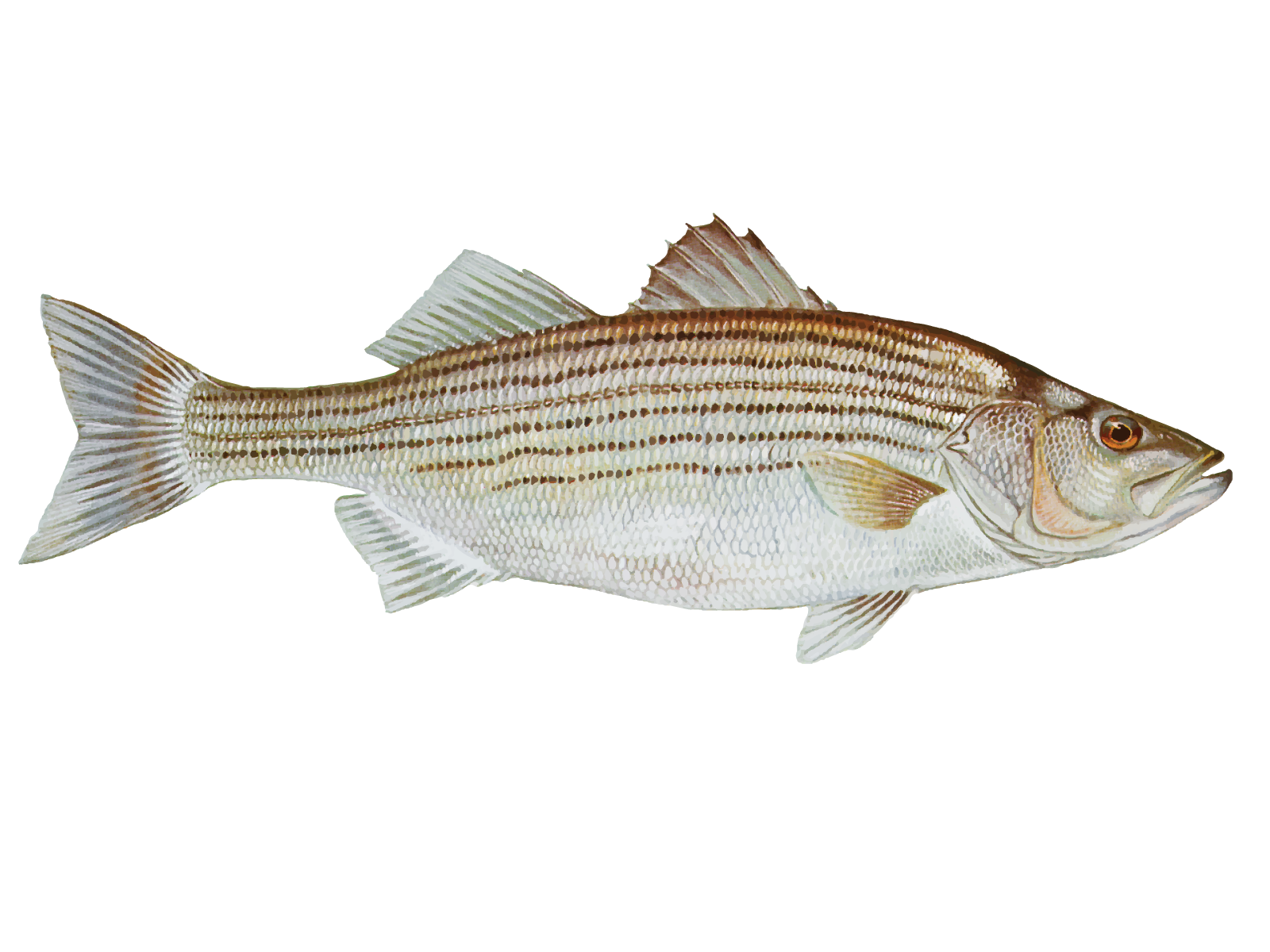 Striped Bass
 Summer Flounder
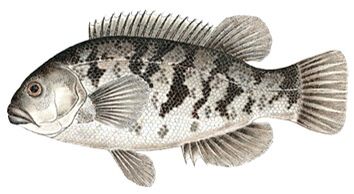 Tautog
- 6-hour private charter accommodates up to 4 anglers with Captain Dave
- Multiple reef locations targeted using light tackle and seasonal techniques
- Extended duration allows thorough exploration without time constraints
Trip Pricing and Availabilities:
6 Hour Somers Point Reef Fishing Adventure
Captain Dave knows the reefs around Somers Point like the back of his hand, and this 6-hour charter gives you the full treatment. We're talking about a serious day on the water where you'll hit multiple reef spots, learn some solid techniques, and hopefully fill the cooler with tautog, summer flounder, and striped bass. With room for up to 4 anglers, this trip strikes the perfect balance between having enough time to really get into the groove and not wearing yourself out. Whether you're bringing the family for their first taste of reef fishing or you're a seasoned angler looking to explore new structure, this charter delivers the goods without rushing you through it.
What to Expect on the Water
Six hours gives us real flexibility to work the water properly. We'll start the day checking conditions and heading to the most promising reef structure based on what's been producing lately. The beauty of this extended trip is that Captain Dave can adjust the game plan as we go - if one spot's not cooperating, we've got time to move around and find where the fish are holding. You'll be fishing with light tackle, which makes every fight more exciting and gives you a better feel for what's happening down there. The boat layout works great for everyone from kids getting their first taste of saltwater fishing to experienced anglers who know their way around a reef. We'll cover bottom fishing, jigging, and spinning techniques depending on what the fish want that day. The pace is relaxed but productive - no need to rush from spot to spot when you've got plenty of time to work each piece of structure thoroughly.
Gear and Techniques
Light tackle is the name of the game here, and that's what makes reef fishing so addictive. We'll primarily be bottom fishing with jigs and spinning gear, adjusting our approach based on seasonal patterns and what's working best. Captain Dave will set you up with the right tackle for each spot - sometimes that means bouncing jigs near the bottom for tautog, other times we'll be drifting with bait for flounder or working the water column for striped bass. The light tackle setup means you'll feel every bump, every pickup, and every head shake as these fish try to get back to their rocky homes. Jigging is especially effective on the reefs because you can work different depths and cover water efficiently. The spinning gear comes in handy when fish are more active and you need to cast to specific spots or work lures with more finesse. Six hours gives you plenty of opportunity to master these techniques and really understand how different species react to various presentations.
Top Catches This Season
Tautog are the stars of the reef show, especially during their prime seasons in spring and fall. These chunky, hard-fighting fish love the rocky structure and can be incredibly rewarding to catch once you dial in the technique. They're notorious for their light bites and quick pickups, so you'll need to stay alert and develop a feel for when they're mouthing your bait. What makes tautog special is their incredible pulling power - they'll use every rock, crevice, and piece of structure to try to break you off. The best fishing typically happens from April through May and again from October through December when water temperatures are in their comfort zone. These fish can live for decades and grow quite large, with trophy tog pushing well over 10 pounds in these waters.
Summer flounder, or fluke as most locals call them, are the perfect target for this type of light tackle fishing. These flatfish are ambush predators that lie in wait near structure, ready to pounce on anything that looks like an easy meal. What makes fluke fishing so exciting is their aggressive strikes and acrobatic fights - they'll jump, shake their heads, and use their flat bodies to create maximum resistance. The summer months from May through September offer the best action, with fish moving into shallower water and becoming more active. Fluke are also excellent table fare, making them a favorite among families and anyone who enjoys bringing dinner home. The key to consistent fluke fishing is covering water and varying your retrieve until you figure out what triggers their feeding response.
Striped bass bring a different kind of excitement to reef fishing, especially when they're schooled up and feeding aggressively. These fish can show up any time during the season, but spring and fall migrations often provide the most consistent action around Somers Point reefs. Stripers are powerful fish that will test your drag and your technique, often making long runs and using their size to their advantage. What's really special about catching striped bass on light tackle is how much fight you get - even smaller schoolies will bend your rod and give you a memorable battle. They're also incredibly adaptable feeders, which means you might catch them on jigs, live bait, or even topwater lures when conditions are right. The variety in size keeps things interesting too, from schoolies that are perfect for beginners to larger fish that will challenge even experienced anglers.
Time to Book Your Spot
This 6-hour reef fishing charter represents excellent value for anyone serious about spending quality time on the water. You're getting Captain Dave's local knowledge, proper light tackle setups, and enough time to really experience what makes Somers Point reef fishing special. The relaxed pace means everyone can enjoy themselves without feeling rushed, and the variety of techniques keeps things interesting throughout the day. Whether you're after the challenge of hooking into a trophy tautog, the excitement of a fluke bite, or the powerful runs of a striped bass, this trip gives you the best shot at connecting with all three species. Remember that deposits are non-refundable, so make sure your dates work before booking. With only 4 spots available, these charters fill up quickly during peak season, especially when word gets out about recent fishing success.
Learn more about the species
Striped Bass
Stripers are the crown jewel of our local waters, with those distinctive black stripes running down silver sides. Most fish run 20-35 inches, but we see plenty of bigger ones during migration seasons. They're structure-oriented, hanging around reefs, drop-offs, and channels where bait gets pushed around by current. Spring and fall migrations offer the hottest action, but we catch them year-round. What guests love most is their powerful fight - they'll make long runs and really test your drag. Plus, they're outstanding table fare when kept within regulations. These fish are smart and can be picky, so matching the bait to what's around is key. Local tip: watch for bird activity and bait schools on the surface. When stripers are feeding underneath, you'll see diving birds and nervous bait. Get your lure or bait right in that chaos and hang on tight.

Summer Flounder
Summer flounder, or fluke, are masters of camouflage that lie flat on sandy and muddy bottoms waiting to ambush prey. Most run 15-20 inches, but doormat-sized fish over 5 pounds make for great photo opportunities. They're found in depths from shallow bays to 60+ feet offshore, particularly around structure edges where sand meets reef. Best fishing happens late spring through early fall when water temps are right. What makes them special is their unique sideways bite and how they can change color to match the bottom. Plus, they're fantastic eating - sweet, flaky white meat. My go-to technique: use a bucktail jig tipped with squid or spearing, and work it slow along the bottom with short hops. When a fluke hits, give it a second to turn the bait before setting the hook - they grab prey sideways and need time to position it.

Tautog
Known locally as blackfish, tautog are chunky, dark-colored fish that love rocky structure and wreck sites. They average 1-3 pounds but can reach impressive sizes up to 20+ pounds. These fish have powerful jaws built for crushing shellfish - their main diet of crabs, mussels, and barnacles. Spring through fall offers the best action, especially around jetties, reefs, and boulder fields in 15-40 feet of water. Guests love their hard-fighting nature and excellent table fare. They're territorial around their rocky homes, so once you find them, you'll usually find more. Here's a local trick: use green crabs with legs removed, crush some shell pieces for chum, and change your bait every 5 minutes. Their bite is subtle but firm - when you feel that tap-tap, set the hook quick before they spit it out.

About the JD Marine LLC
%2F%2Fusers%2Fe6f8ee5f-6759-41fe-b737-5dfdc4b00d6a%2Fvehicle_picture%2F1692fe5c0774eebca1c51cb7b3e75e20-mk20qkgc.jpg&w=1920&q=75)
Vehicle Guest Capacity: 4
Manufacturer Name: Suzuki
Maximum Cruising Speed: 35
Number of Engines: 2
Horsepower per Engine: 400